
Radiation that stays in the tumor—not the body: How Y90 helps protect healthy tissue
It’s natural to worry about full-body side effects when thinking about radiation therapy, but newer treatments are helping ease some of these concerns. Y90 (yttrium-90) radioembolization is a radiation-based cancer treatment designed to target tumors while limiting exposure to healthy tissue. Rather than sending radiation through the body, Y90 radioembolization delivers it directly to the tumor.
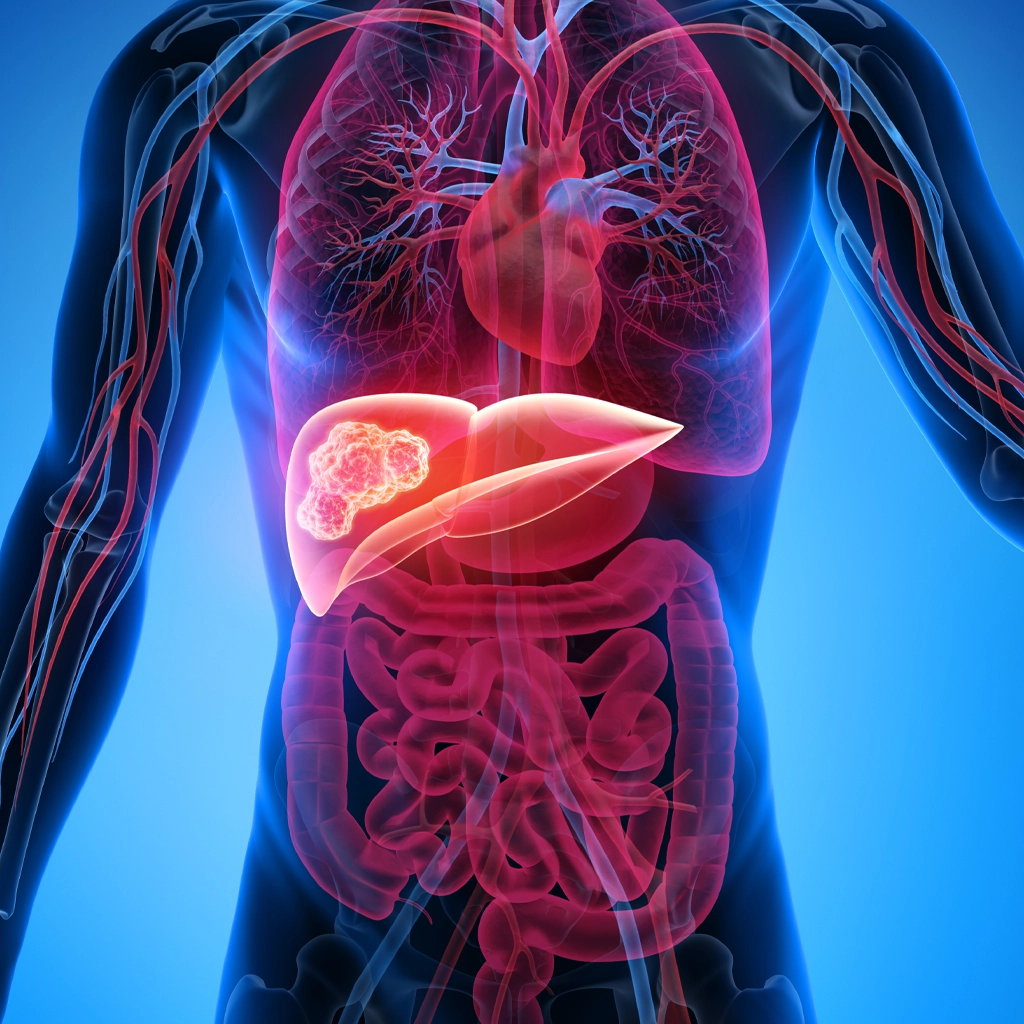
Y90 radioembolization is a minimally invasive treatment used for certain liver tumors, including primary liver cancer and liver-dominant metastatic cancer. During the procedure, an interventional radiologist guides a thin catheter through the blood vessels to the liver. Tiny beads called microspheres are then released into the arteries that supply the tumor with blood. These microspheres contain yttrium-90 (Y90), a radioactive material that emits therapeutic radiation over a short period before naturally decaying.
What makes this approach unique is that the microspheres become lodged in the tumor’s small blood vessels. Tumors tend to have dense, abnormal blood supplies that trap the beads in place. As a result, the radiation stays concentrated at the tumor site rather than circulating throughout the body. Once the radiation has delivered its effect, it fades away on its own, leaving no lingering radiation in the body.
Another advantage of Y90 is its limited radiation range. The energy it releases travels only a few millimeters, about the thickness of a grain of rice. This short range gives the tumor a high, effective dose of radiation while exposure to nearby healthy liver tissue is limited. Organs in other parts of the body are not exposed in any meaningful way.
Y90 radioembolization also doesn’t interfere too severely with blood flow to the liver. Liver tumors receive most of their blood from the hepatic arteries, while healthy liver tissue also gets a significant amount from the portal vein. By delivering Y90 through the hepatic arteries feeding the tumor, clinicians can treat the cancer while preserving blood flow to the rest of the liver.
Because of this targeted design, many patients experience fewer whole-body side effects compared with traditional chemotherapy or external beam radiation. Fatigue and mild abdominal discomfort can occur, but widespread hair loss, severe nausea, and immune suppression are far less common.