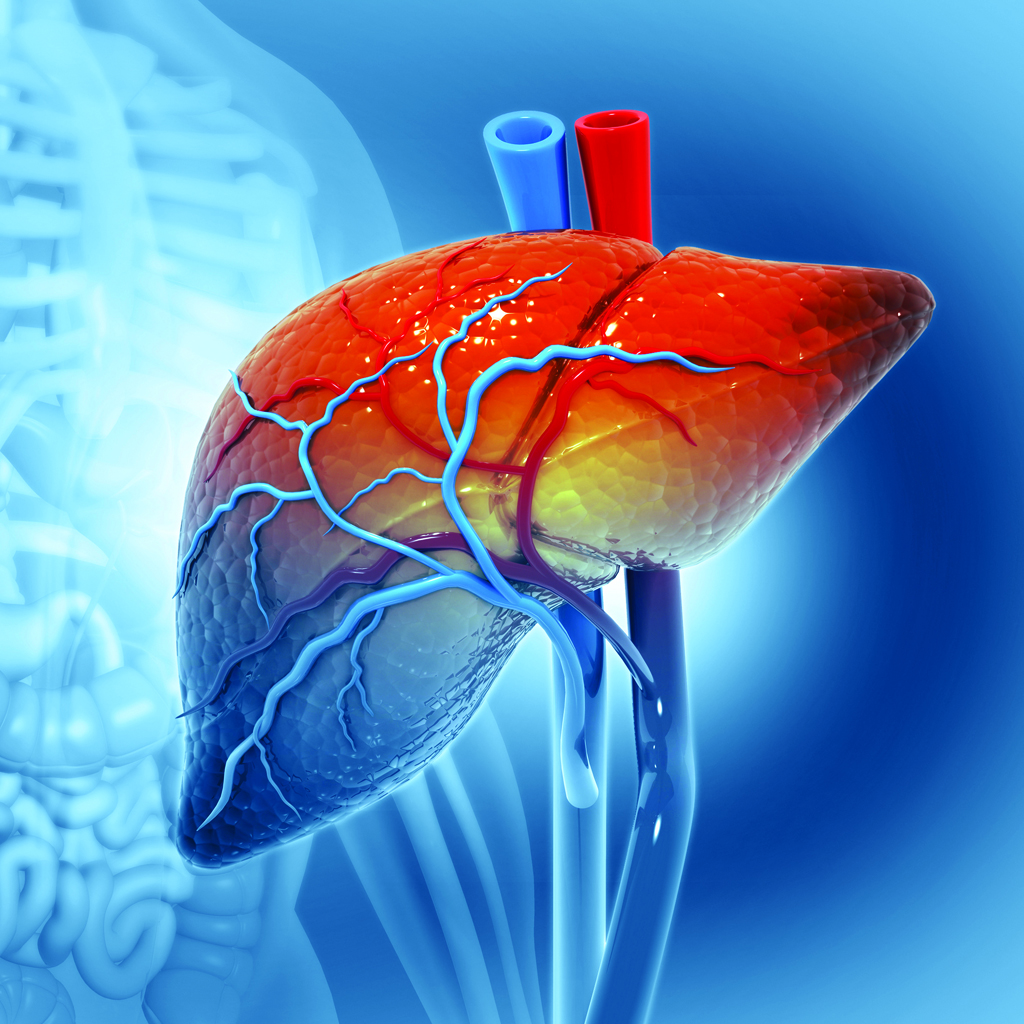

Colon Cancer in the Liver: How Angela Found Hope with Y‑90 Treatment*
Angela was used to being the one her students leaned on. After successful treatment for colon cancer, she thought that chapter of her life was closed—until a routine scan showed several spots in her liver. Her oncologist explained that the cancer had returned and was now “liver‑dominant,” meaning most of the disease was in her liver. Standard chemotherapy was starting to lose its effect, and Angela worried she was running out of options.
That’s when she was referred to an interventional radiology team to talk about Y‑90 radioembolization. In a minimally invasive outpatient procedure, a tiny catheter was guided through a blood vessel to her liver, delivering millions of microscopic radioactive beads directly to the tumors. Most patients, like Angela, go home the same day and experience only a few days of fatigue and mild flu‑like symptoms.
At her follow‑up visit, imaging showed the liver spots had shrunk and become less active, and her tumor marker had dropped. With her liver disease better controlled, Angela was able to resume a lighter chemotherapy plan and return to the classroom part‑time, focusing again on her students instead of her scans.
If you or a loved one has cancer that has spread to the liver, ask your doctor or contact Memphis Vascular Center to see if Y‑90 radioembolization may be an option.
*This story is a composite case created for educational purposes. It does not describe one specific patient, but is based on real experiences and outcomes seen in patients treated with Y‑90 radioembolization at centers like ours.