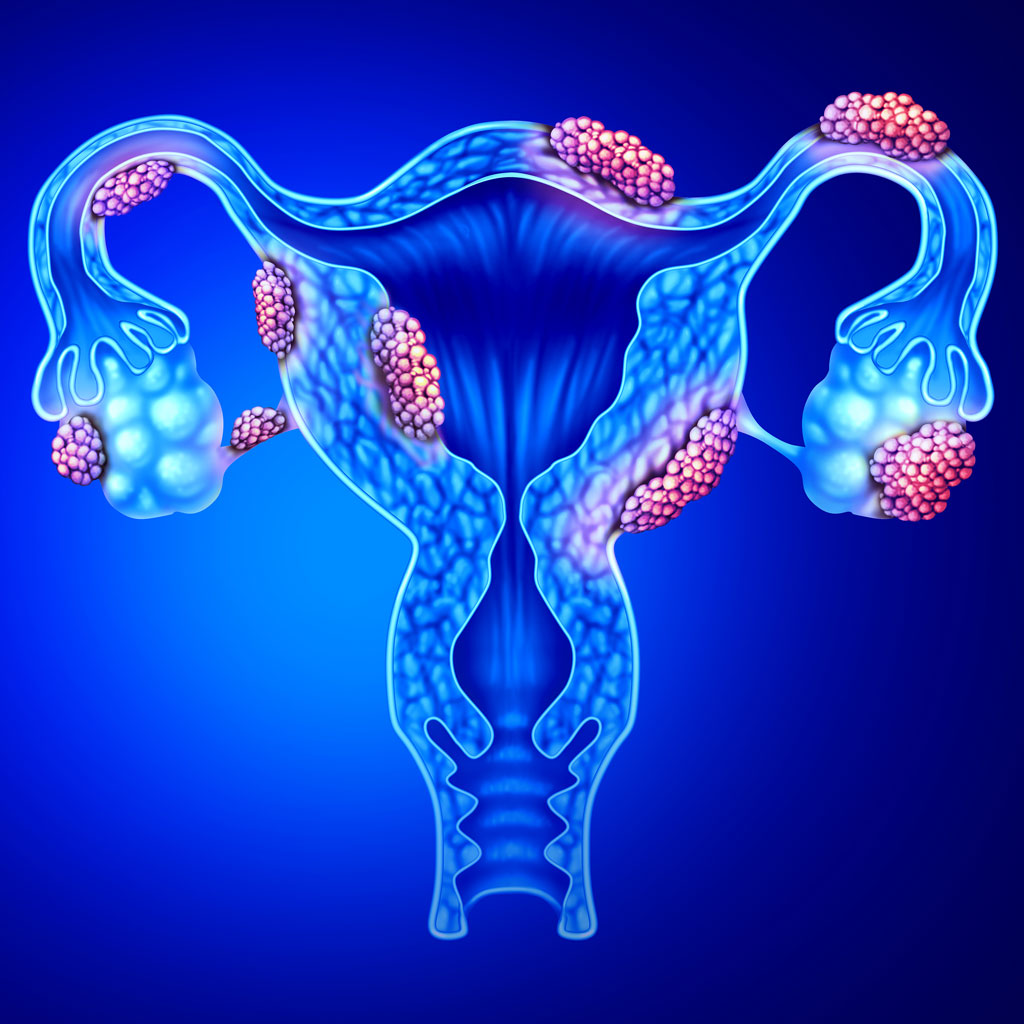

Hysterectomy Side Effects You May Not Be Fully Aware Of
If you’ve been diagnosed with uterine fibroids or another gynecologic condition, you may have been told that a hysterectomy is your best—or only—option.
For many patients, that recommendation can feel overwhelming.
While hysterectomy can be appropriate in certain cases, it’s important to understand that it is a major surgical procedure that permanently removes the uterus and may come with both short- and long-term effects.¹
Today, many patients are surprised to learn that effective, less invasive alternatives exist—options that can treat symptoms while preserving the uterus and avoiding major surgery.
What Happens to Your Body After a Hysterectomy?
A hysterectomy is not a minor procedure. Even when performed minimally invasively, it still requires significant recovery and healing time.
Depending on the surgical approach, recovery may take several weeks to a few months.²
During this time, patients may experience:
- Fatigue and limited mobility
- Pain or discomfort in the abdomen or pelvis
- Restrictions on work, exercise, and daily activities
Some patients also report longer-term physical changes, including pelvic discomfort, pressure, or changes in bladder and bowel function.³
The Emotional Side of Surgery
The physical recovery is only part of the story.
For some patients, hysterectomy can also bring unexpected emotional effects. While many feel relief after treatment, others may experience:
- Mood changes or increased anxiety
- Feelings of loss or grief
- Emotional adjustment related to the removal of the uterus
These responses are personal and valid—and they’re an important part of the decision-making process.⁴
Can a Hysterectomy Affect Hormones?
Even when the ovaries are not removed, hysterectomy can still impact the body’s natural hormonal balance.
Research suggests that ovarian function may decline earlier than expected following surgery, which can lead to symptoms such as:⁵
- Hot flashes or night sweats
- Vaginal dryness
- Decreased libido
- Fatigue
Over time, hormonal changes may also play a role in bone health and cardiovascular health, making it important to consider the long-term picture.⁶
Changes in Body Image and Identity
For many patients, the uterus represents more than just a reproductive organ.
After a hysterectomy, some individuals report changes in how they feel about their body, including:
- A shift in self-image
- Feelings of disconnection
- A need for emotional adjustment
Not everyone experiences this—but for those who do, it can be meaningful and worth acknowledging before moving forward.⁴
Is a Hysterectomy Your Only Option?
For many patients with uterine fibroids, the answer is no.
Uterine Fibroid Embolization (UFE) is a minimally invasive, image-guided procedure performed by an interventional radiologist. Instead of removing the uterus,
UFE works by targeting the blood supply to fibroids, causing them to shrink over time.
This approach offers several important advantages:
- No major surgery or large incisions
- Outpatient treatment with same-day discharge
- Faster recovery and return to normal activities
- Preservation of the uterus
Clinical studies have shown that UFE provides significant symptom relief and high patient satisfaction, making it a proven alternative for many patients.⁷
You Deserve to Know All Your Options
Choosing how to treat your condition is a deeply personal decision—but it should also be an informed one.
If you’ve been told that hysterectomy is your only option, it may be worth taking a step back to explore:
- The full range of potential side effects
- Your long-term health goals
- Whether a minimally invasive alternative may be right for you
Minimally Invasive Treatment for Fibroids
For many people with uterine fibroids, hysterectomy is not the only effective option. Uterine Fibroid Embolization (UFE) is a minimally invasive procedure that shrinks fibroids by cutting off their blood supply while preserving the uterus. With shorter recovery times and fewer long-term risks, UFE can provide significant symptom relief without the permanence or risk of hysterectomy. If you have fibroids and have been recommended for a hysterectomy, consider UFE; it may be a better option.
Our Memphis Vascular Center team is an expert in this procedure. Not only do our physicians have decades of experience performing minimally invasive procedures, but MVC was one of the first outpatient centers in the area and has served as a healthcare leader throughout Memphis. If you’re interested in learning more about UFE, call us at (901) 683-1890 .
References
- American College of Obstetricians and Gynecologists. Hysterectomy. ACOG, 2021.
- Mayo Clinic. Abdominal Hysterectomy. Mayo Foundation for Medical Education and Research, 2023.
- Altman, Daniel, et al. “Pelvic Organ Prolapse Surgery Following Hysterectomy.” American Journal of Obstetrics and Gynecology, vol. 198, no. 5, 2008.
- Farquhar, Cynthia M., and Martha Steiner. “Hysterectomy Rates and Indications.” Obstetrics & Gynecology, vol. 99, no. 2, 2002.
- Moorman, Patricia G., et al. “Effect of Hysterectomy With Ovarian Preservation on Ovarian Function.” Obstetrics & Gynecology, vol. 118, no. 6, 2011.
- Laughlin-Tommaso, Shannon K. “Alternatives to Hysterectomy: Management of Uterine Fibroids.” BMJ, 2017.
- Gupta, J. K., et al. “Uterine Artery Embolization for Symptomatic Uterine Fibroids.” Cochrane Database of Systematic Reviews, 2014.