
Y90 radioembolization: A breakthrough treatment for liver cancer
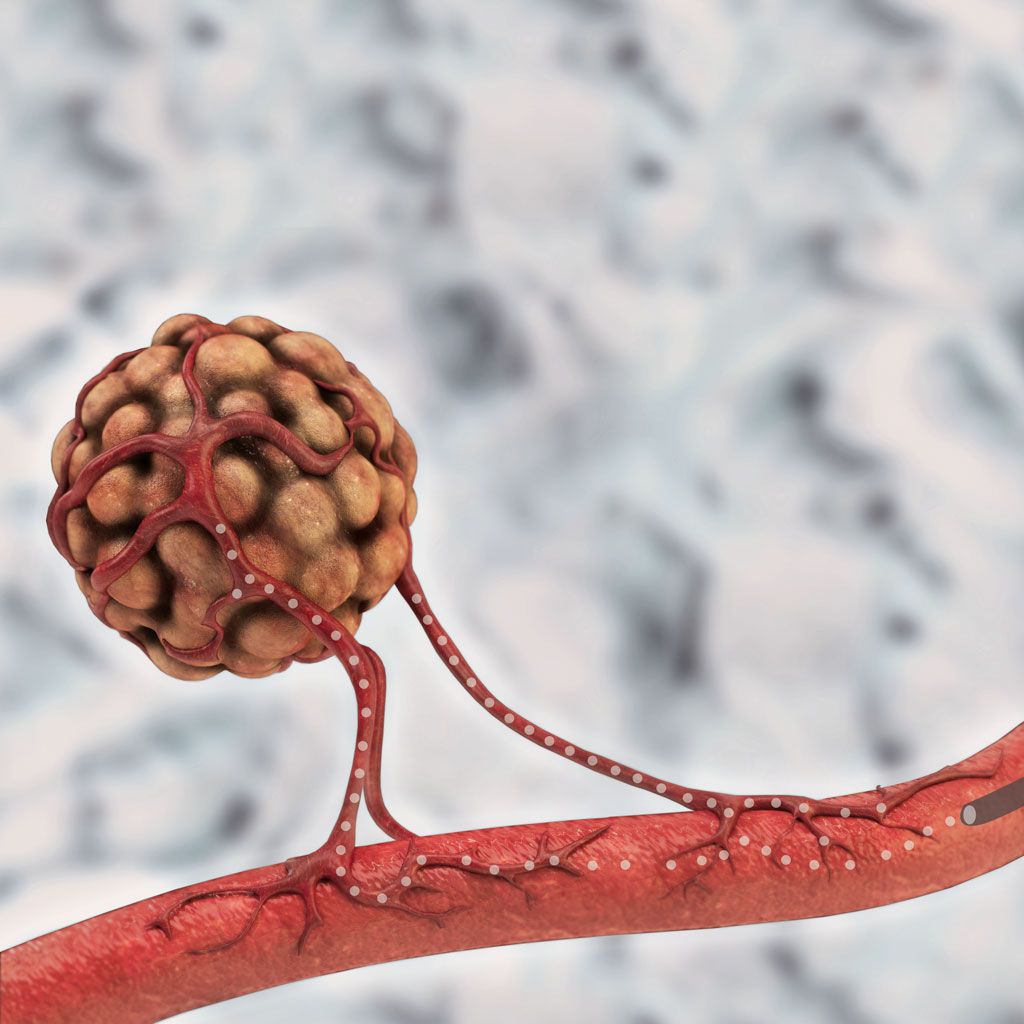
Y90 radioembolization can sound a tad intimidating, and the name alone may raise some eyebrows, but the treatment is far more approachable than you might expect. Y90 radioembolization is an innovative therapy that uses a catheter to deliver tiny beads infused with the radioactive isotope Yttrium-90 directly into liver tumors to target them from the inside, delivering treatment only where it’s needed and sparing most healthy tissue in the process. For many patients, it’s an attractive option when surgery isn’t feasible or when other therapies aren’t effective. Understanding what Y90 actually does can help ease the worry that may come from hearing its potentially off-putting name and prepare you for informed conversations with your care team.
Before considering Y90 radioembolization, it’s helpful to understand the more traditional treatments for liver cancer and their pros and cons.
Surgery remains the most recommended option when tumors are small and located in areas where they can be safely removed. But many patients may not be surgical candidates due to tumor location, underlying conditions like liver disease, or other aspects of their overall health.
Systemic therapies, such as chemotherapy or immunotherapy, can be effective, especially when cancer has spread throughout the body. But they often impact healthy tissue as well, and may come with broader side effects.
Thermal ablation techniques, which destroy tumors with heat or cold, are most effective for smaller tumors and may be restricted by the proximity of the tumors to major blood vessels.
Transarterial chemoembolization (TACE), another catheter-based procedure, delivers chemotherapy directly to the tumor, but may not be as effective for larger tumors or for patients with compromised liver function.
Depending on the specific patient’s situation, each of these options has a time and place, but they also have limitations. This context can show when Y90’s approach stands out as a complementary or alternative therapy.
Y90 radioembolization is usually most effective for patients whose liver tumors cannot be removed surgically or who need a localized treatment that won’t overwhelm the rest of the body. It can be used on its own or alongside other therapies, depending on the patient’s overall health and cancer stage. Patients with tumors that are confined mainly to the liver, whether from primary liver cancer like hepatocellular carcinoma or from metastatic cancers that have spread to the liver, may benefit the most from its targeted delivery. It’s also a valuable option for individuals who have not responded well to treatments like TACE or who need a therapy without the systemic side effects of traditional chemotherapy. While every case is unique, Y90’s precision makes it a strong candidate for patients seeking effective control of liver tumors while preserving as much normal liver function as possible.
Y90 radioembolization can be a targeted and effective option for treating liver tumors, especially when traditional treatments may be unavailable or less effective. While it may not be the right choice for everyone, being informed can allow patients to have more productive conversations about their health. If you think Y90 may be a good fit for you, discuss with your care team, and they can help determine whether this therapy aligns with your needs and treatment goals.
Memphis Vascular Center offers Y90 radioembolization for liver tumors on an outpatient basis. Give us a call (901) 683-1890 to schedule a consultation or learn more.