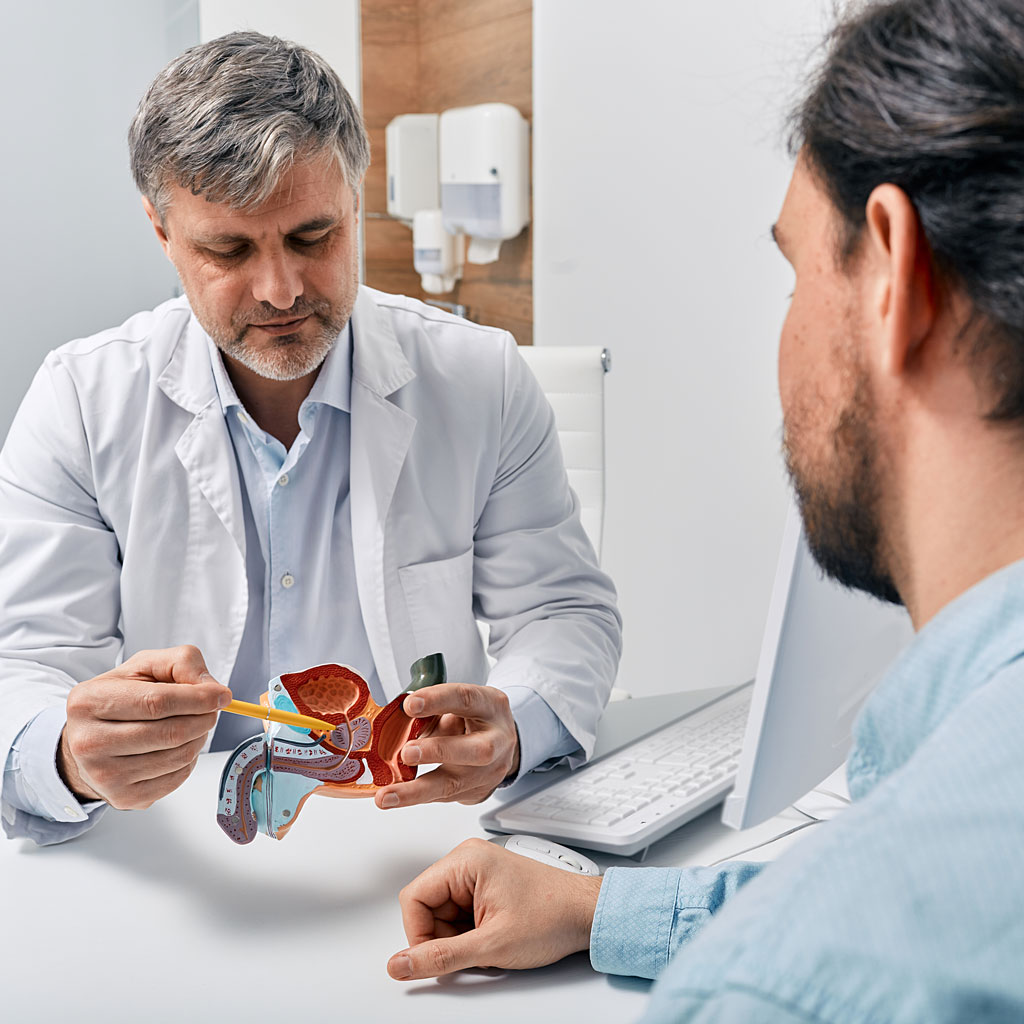

Can a Mildly Enlarged Prostate Get Better on Its Own?
Medically reviewed by Dr. Dale Hansen III
If you’re a man in your 50s or 60s, you’re not alone if you’ve noticed changes in your bathroom habits. Frequent trips to the restroom, trouble starting your stream, or that nagging feeling that your bladder isn’t emptying all the way — these are classic signs of benign prostatic hyperplasia, or BPH. It’s estimated that up to half of men over 60 will experience some degree of prostate enlargement.
But here’s the good news: not every case of BPH needs aggressive treatment. For many men, their mildly enlarged prostate can be managed — and sometimes even improve — without medication or surgery.
Watchful Waiting: Is It Right for You?
Many men assume that once the prostate starts to enlarge, it will only get worse. But that’s not always true. In cases of mildly enlarged prostate, doctors often recommend a “watchful waiting” approach. This means keeping an eye on your symptoms and making simple lifestyle changes, like cutting back on caffeine and alcohol, avoiding fluids before bedtime, and staying active. For some, these tweaks can make a real difference in how often and how urgently they need to go.
Regular checkups are still important, so your doctor can track any changes and make sure things aren’t progressing. Watchful waiting is usually a good fit for men whose symptoms present as mildly enlarged prostate, not getting worse, and not interfering with sleep or daily life.
When to Seek Treatment
But what if your symptoms are more than just a minor annoyance? If you’re waking up multiple times a night, struggling to start or maintain your urine stream, or feeling discomfort that’s affecting your quality of life, it’s time to talk to a healthcare provider. Left untreated, BPH can sometimes lead to complications like urinary retention, bladder stones, or even kidney issues.
When it’s time to consider treatment, there are several options:
- Medications like alpha-blockers or 5-alpha-reductase inhibitors can help relax the prostate or shrink it over time.
- Surgical procedures such as TURP (transurethral resection of the prostate) are effective for more severe cases.
- Prostate Artery Embolization (PAE) is a minimally invasive alternative that’s gaining attention. PAE works by reducing blood flow to the prostate, causing it to shrink gradually. It’s performed through a tiny catheter, usually in the wrist or groin, and most men go home the same day with little downtime.
Why Consider Prostate Artery Embolization?
PAE is a great option for men who want relief from BPH symptoms but aren’t ready for surgery or want to avoid the risks and recovery time associated with traditional procedures. It’s safe, effective, and can significantly improve quality of life for many men.
If you’re unsure whether your symptoms warrant treatment, or if you’re looking for a minimally invasive solution, Memphis Vascular Center is here to help. Our team specializes in Prostate Artery Embolization and can guide you through your options.
Call us today at (901) 683-1890 to learn more about PAE and how it can help you get back to living life to the fullest.